现在要做WEB功能,还是选择WEB模块,pom文件依赖web模块,org.springframework.bootspring-boot-starter-web
resources配置文件,现在我先来写上一个HelloWorld
package com.learn.controller;import org.springframework.web.bind.annotation.RequestMapping;
import org.springframework.web.bind.annotation.ResponseBody;
import org.springframework.web.bind.annotation.RestController;@RestController
public class HelloController {@ResponseBody@RequestMapping("/hello")public String hello() {return "hello";}
}
package com.learn;import org.springframework.boot.SpringApplication;
import org.springframework.boot.autoconfigure.SpringBootApplication;/*** @SpringBootApplication 来标注一个主程序类,说明这是一个Sprint Boot应用* @author Leon.Sun**/
//@ImportResource(locations= {"classpath:beans.xml"})
@SpringBootApplication
public class SpringBoot02ConfigApplication {public static void main(String[] args) {// Spring应用启动起来SpringApplication.run(SpringBoot02ConfigApplication.class,args);}
}
直接就用就行了,接下来我们来做我们这个实验,如果我们现在是一个WEB应用,那我们main下会有一个webapp文件夹,那我们将所有的页面,全都是导在这的,大家来看,现我们的pom是打成jar的方式,能不能给我们写页面,这也是可以的,只不过我们的CSS文件要放哪,我们SpringBoot有规定,SpringBoot对静态资源的映射规则,这映射规则我们首先来看,第一种规则,在咱们SpringBoot里面呢,SpringMVC的相关配置,都在WebMvcAutoConfiguration里边,而这个配置里边呢,我们来从头往下看,多的东西我们就不看了,下边有一个addResourceHandlers@Override
public void addResourceHandlers(ResourceHandlerRegistry registry) {if (!this.resourceProperties.isAddMappings()) {logger.debug("Default resource handling disabled");return;}Integer cachePeriod = this.resourceProperties.getCachePeriod();if (!registry.hasMappingForPattern("/webjars/**")) {customizeResourceHandlerRegistration(registry.addResourceHandler("/webjars/**").addResourceLocations("classpath:/META-INF/resources/webjars/").setCachePeriod(cachePeriod));}String staticPathPattern = this.mvcProperties.getStaticPathPattern();if (!registry.hasMappingForPattern(staticPathPattern)) {customizeResourceHandlerRegistration(registry.addResourceHandler(staticPathPattern).addResourceLocations(this.resourceProperties.getStaticLocations()).setCachePeriod(cachePeriod));}
}添加资源映射,我们后来还会用到这个原理,用到的时候再来仔细讲这个原理,只不过我们来看这个关键字,添加咱们的资源映射,第一个规则"/webjars/**",所有"/webjars/"路径访问,访问都去哪找资源呢,这里有映射请求,webjars下的所有请求,都去这一块来找资源,都去"classpath:/META-INF/resources/webjars/"这里找资源,而什么是webjars呢,webjars简单来说,是以jar包的方式引入资源的,以前我们要导入jquery什么,那么我们有一个webapp的文件夹,我们把页面,script src就能引了,但是现在我们有一个webjars,可以用jar包的方式,我们来搜索一下,https://www.webjars.org这个网站,就来参考他,将我们的前端框架,jquery,bootstrap,他们可以以maven依赖的方式,交给我们,这样我们要用的话就简单多了,你在这就可以拿过来,我把jquery引进来org.webjarsjquery3.4.1
只要引入jquery的webjar,让他来自动下载,来看一下jquery的webjar长什么样呢,D:\app\repository\org\webjars\jquery\3.3.1\jquery-3.3.1.jar注意来看,这里有META-INF,有resources目录,下边有webjar,jquery,有些是目录合起来了,这个跟我们刚才说的映射规则是一样的
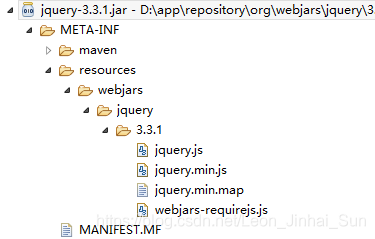
这样的话正好对应这个映射,localhost:8080/webjars/abcwebjars下的任意请求,这个资源去哪找呢,都去这个文件夹,META-INF,resources,webjars,我们webjars没有abc,所以找不到,我们就要jquerylocalhost:8080/webjars/jquery/3.3.1/jquery.jsjquery下的3.3.1,jquery.js,就是这个访问路径,我们试一下这个访问路径能不能访问到,我们把项目重启一下,我来访问http://localhost:8080/webjars/jquery/3.3.1/jquery.js我们发现js是能访问的,以后我们用webjars,访问公用的样式,那就简单多了,你要做的就是引入依赖就行了,我们在这引入依赖,我们boot都帮你设置好了,访问的时候只要写webjars资源的名字就行了,在访问的时候,只需要写webjars下的资源即可,我们要用webjars我们就可以这样来用,但是如果是我们自己的呢,@ConfigurationProperties(prefix = "spring.resources", ignoreUnknownFields = false)
public class ResourceProperties implements ResourceLoaderAware, InitializingBean {我们在设置项里边,主要有这么几个,一个是ResourceProperties,可以设置与资源有关的参数,主要是我们的静态资源,例如我们的缓存时间,除了webjars,下边还有一个if (!registry.hasMappingForPattern(staticPathPattern)) {customizeResourceHandlerRegistration(registry.addResourceHandler(staticPathPattern).addResourceLocations(this.resourceProperties.getStaticLocations()).setCachePeriod(cachePeriod));
}registry添加资源映射,/*** Path pattern used for static resources.*/
private String staticPathPattern = "/**";那就是第二种映射规则,你访问任何路径,访问当前项目的任何资源,private static final String[] RESOURCE_LOCATIONS;static {RESOURCE_LOCATIONS = new String[CLASSPATH_RESOURCE_LOCATIONS.length+ SERVLET_RESOURCE_LOCATIONS.length];System.arraycopy(SERVLET_RESOURCE_LOCATIONS, 0, RESOURCE_LOCATIONS, 0,SERVLET_RESOURCE_LOCATIONS.length);System.arraycopy(CLASSPATH_RESOURCE_LOCATIONS, 0, RESOURCE_LOCATIONS,SERVLET_RESOURCE_LOCATIONS.length, CLASSPATH_RESOURCE_LOCATIONS.length);
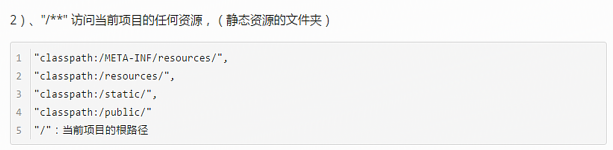
}静态代码块,new了一个数组,private static final String[] CLASSPATH_RESOURCE_LOCATIONS = {"classpath:/META-INF/resources/", "classpath:/resources/","classpath:/static/", "classpath:/public/" };他会去这几个文件夹下,一个是类路径下的resources,classpath:/META-INF/resources/,classpath:/static/,还有当前项目的根路径,private static final String[] SERVLET_RESOURCE_LOCATIONS = { "/" };这几个文件夹就称为静态资源,静态资源的文件夹,你把你的静态资源保存在这几个文件夹里面,都会来这几个文件夹里找内容
在这个自动配置里边,@Bean
public WelcomePageHandlerMapping welcomePageHandlerMapping(ResourceProperties resourceProperties) {return new WelcomePageHandlerMapping(resourceProperties.getWelcomePage(),this.mvcProperties.getStaticPathPattern());
}这里翻译过来叫做欢迎页的映射,欢迎页是什么呢,其实就是我们的首页,配置欢迎页映射,我们先不管HandlerMapping,我们先来看一下它是怎么映射的呢,HandlerMapping其实是我们SpringMVC最底层的组件,他来保存每一个请求谁来处理,getWelcomePage获取到欢迎页,public Resource getWelcomePage() {for (String location : getStaticWelcomePageLocations()) {Resource resource = this.resourceLoader.getResource(location);try {if (resource.exists()) {resource.getURL();return resource;}}catch (Exception ex) {// Ignore}}return null;
}从getStaticWelcomePageLocations这里挨个遍历,因为欢迎页挺多的,private String[] getStaticWelcomePageLocations() {String[] result = new String[this.staticLocations.length];for (int i = 0; i < result.length; i++) {String location = this.staticLocations[i];if (!location.endsWith("/")) {location = location + "/";}result[i] = location + "index.html";}return result;
}这还是静态文件夹staticLocations,这个静态文件夹拼了index.html,欢迎页它是怎么设置的呢,静态文件夹下的,所有index.html页面,他这里还配了getStaticPathPattern,被谁映射,/*** Path pattern used for static resources.*/
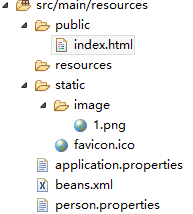
private String staticPathPattern = "/**";不就是被"/**"映射,反过来就是说,我来访问当前项目,比如我来访问localhost,localhost:8080/我就访问当前项目,我没有指定路径,因为他也满足"/**",静态资源下的index.html,找index页面,那我们来试一下是不是这个效果呢,默认我来访问8080,这是一个404,没有什么首页,我想要访问怎么访问呢,比如我把首页放在public文件夹下,我就来放一个index.html,我们就来写一个首页,我来运行一下,默认首页就过来了,所以他做了首页映射
喜欢的图标是什么呢,配置喜欢的图标,@Configuration
@ConditionalOnProperty(value = "spring.mvc.favicon.enabled", matchIfMissing = true)
public static class FaviconConfiguration {private final ResourceProperties resourceProperties;public FaviconConfiguration(ResourceProperties resourceProperties) {this.resourceProperties = resourceProperties;}@Beanpublic SimpleUrlHandlerMapping faviconHandlerMapping() {SimpleUrlHandlerMapping mapping = new SimpleUrlHandlerMapping();mapping.setOrder(Ordered.HIGHEST_PRECEDENCE + 1);mapping.setUrlMap(Collections.singletonMap("**/favicon.ico",faviconRequestHandler()));return mapping;}@Beanpublic ResourceHttpRequestHandler faviconRequestHandler() {ResourceHttpRequestHandler requestHandler = new ResourceHttpRequestHandler();requestHandler.setLocations(this.resourceProperties.getFaviconLocations());return requestHandler;}}每个页面访问的时候,都会有一个图标,那我们也能用我们的图标,你可以用spring.mvc.favicon.enabled这个配置来启用,即使你不配他也是启用的,他怎么放呢,我们就看"**/favicon.ico"这个关键字,List getFaviconLocations() {List locations = new ArrayList(this.staticLocations.length + 1);if (this.resourceLoader != null) {for (String location : this.staticLocations) {locations.add(this.resourceLoader.getResource(location));}}locations.add(new ClassPathResource("/"));return Collections.unmodifiableList(locations);
}我们喜欢的图标路径,还是静态文件夹staticLocations,所有的"**/favicon.ico"这个都是在静态文件夹下找,我们要做我们的图标了,你不管是访问任意层路径下的他,图标都是在我们静态文件夹下找,我就把我们的图标我也拿来,你不管那个页面下要用这个图标,都能在静态资源文件夹下找,图标就变过来了,这就是springboot默认的做的几个资源映射,主要是有这么几个静态资源文件夹,这几个静态文件夹以后就来放东西就行了,而且它是能够配置的,我们一直用的是staticLocations,这个staticLocations呢,其实是ResourceProperties下的注解,我们想改变静态文件夹下的路径,@ConfigurationProperties(prefix = "spring.resources", ignoreUnknownFields = false)
public class ResourceProperties implements ResourceLoaderAware, InitializingBean {spring.resources.static-locations=classpath:/hello,classpath:/learn我给他配置类路径下的hello文件夹,如果多个配置,我们就逗号分隔,因为这个东西是一个数组,数组我们用逗号分割就行了,learn文件夹,这样你定义了几个文件夹,再来启动一下,你前面的静态资源还能不能访问呢,我们发现就不行了localhost:8080/因为我们自己定义了静态文件夹的文件,我就把它注释掉,我们就不定义了,这就是Springboot对静态资源的映射处理
#debug=true
#server.port=8081#server.context-path=/boot02spring.http.encoding.charset=UTF-8
spring.http.encoding.enabled=true
spring.http.encoding.force=truelogging.level.com.learn=trace
#logging.file=D:/springboot.log
logging.file=springboot.log
#logging.path=/spring/log
logging.pattern.console=%d{yyyy-MM-dd} [%thread] %-5level %logger{50} - %msg%n
logging.pattern.file=%d{yyyy-MM-dd} ==== [%thread] %-5level ==== %logger{50} ==== %msg%n
#spring.resources.static-locations=classpath:/hello,classpath:/learn
本文来自互联网用户投稿,文章观点仅代表作者本人,不代表本站立场,不承担相关法律责任。如若转载,请注明出处。 如若内容造成侵权/违法违规/事实不符,请点击【内容举报】进行投诉反馈!
