MIT-6874-Deep Learning in the Life Sciences Week3
Convolutional Neural Networks
- Key ingredients of a CNN
- 如何使用卷积神经网络翻译像素的概念
- why pooling
- 一些卷积过程中常见的实际问题汇总
- padding
- stride
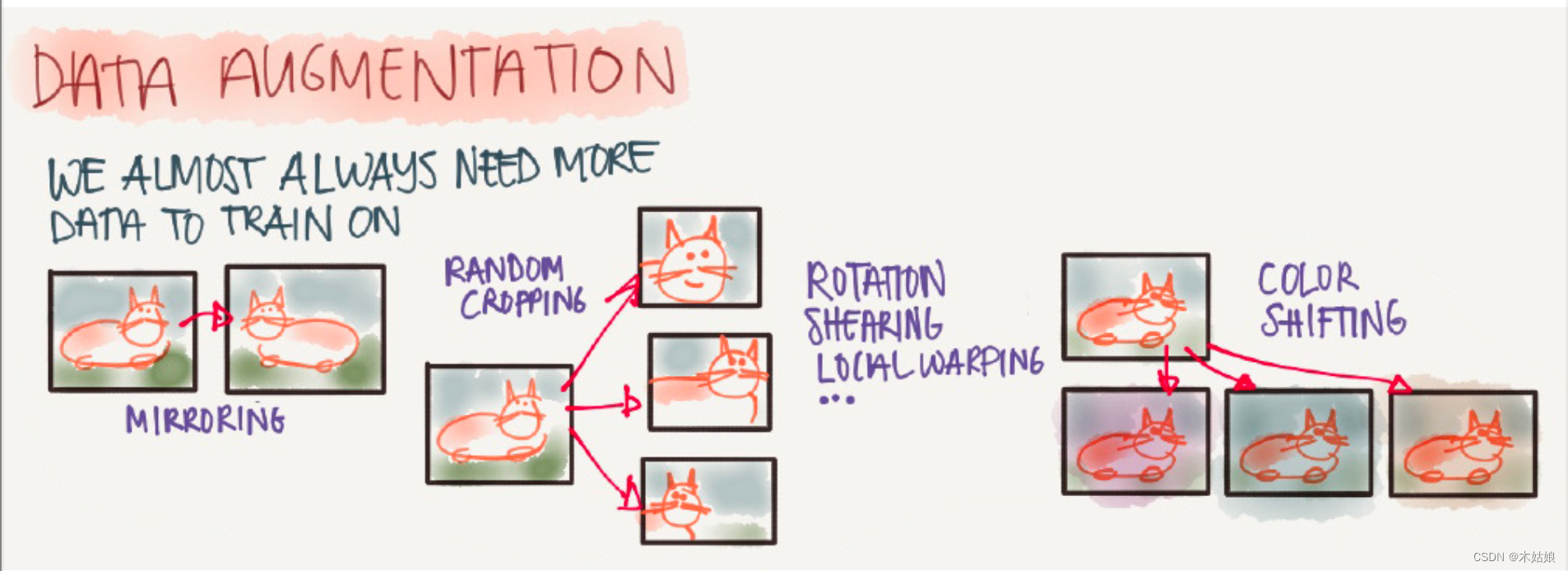
- Real-world Feature Invariance: Data augmentation
- different architectures
- LeNet
- The art of CNN training
- 需要大量数据
- 归一化问题
- 梯度消失/爆炸问题
- 小批量梯度下降
- 训练中的优化问题
- 参数tuning
- 训练/验证/测试集分配
- 表现评价
- 偏差和方差
- 贝叶斯最优误差
- 误差分析
Key ingredients of a CNN
对比人类视觉系统的特性和深度学习中CNN的构建模块,二者有很多相似之处
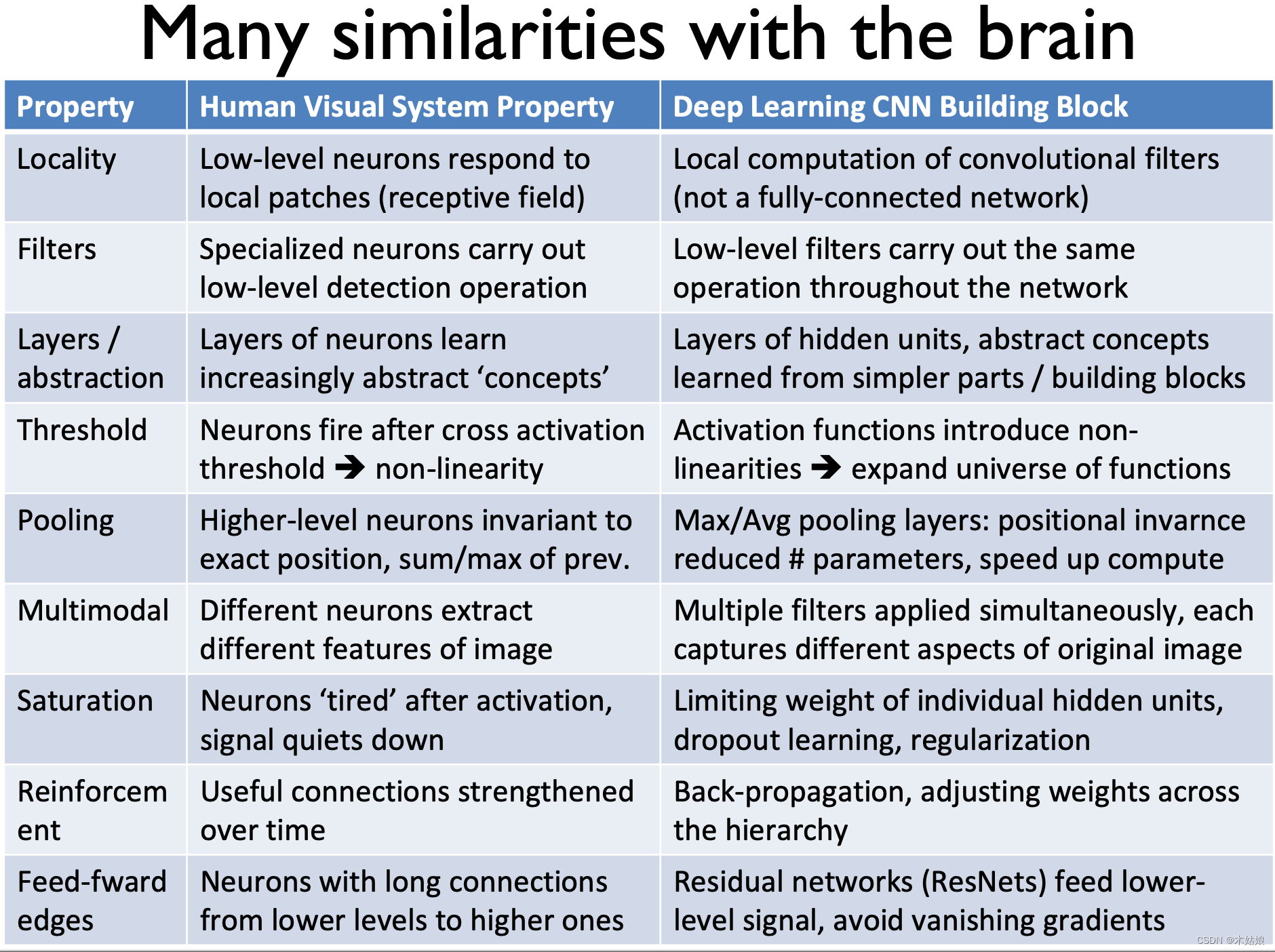
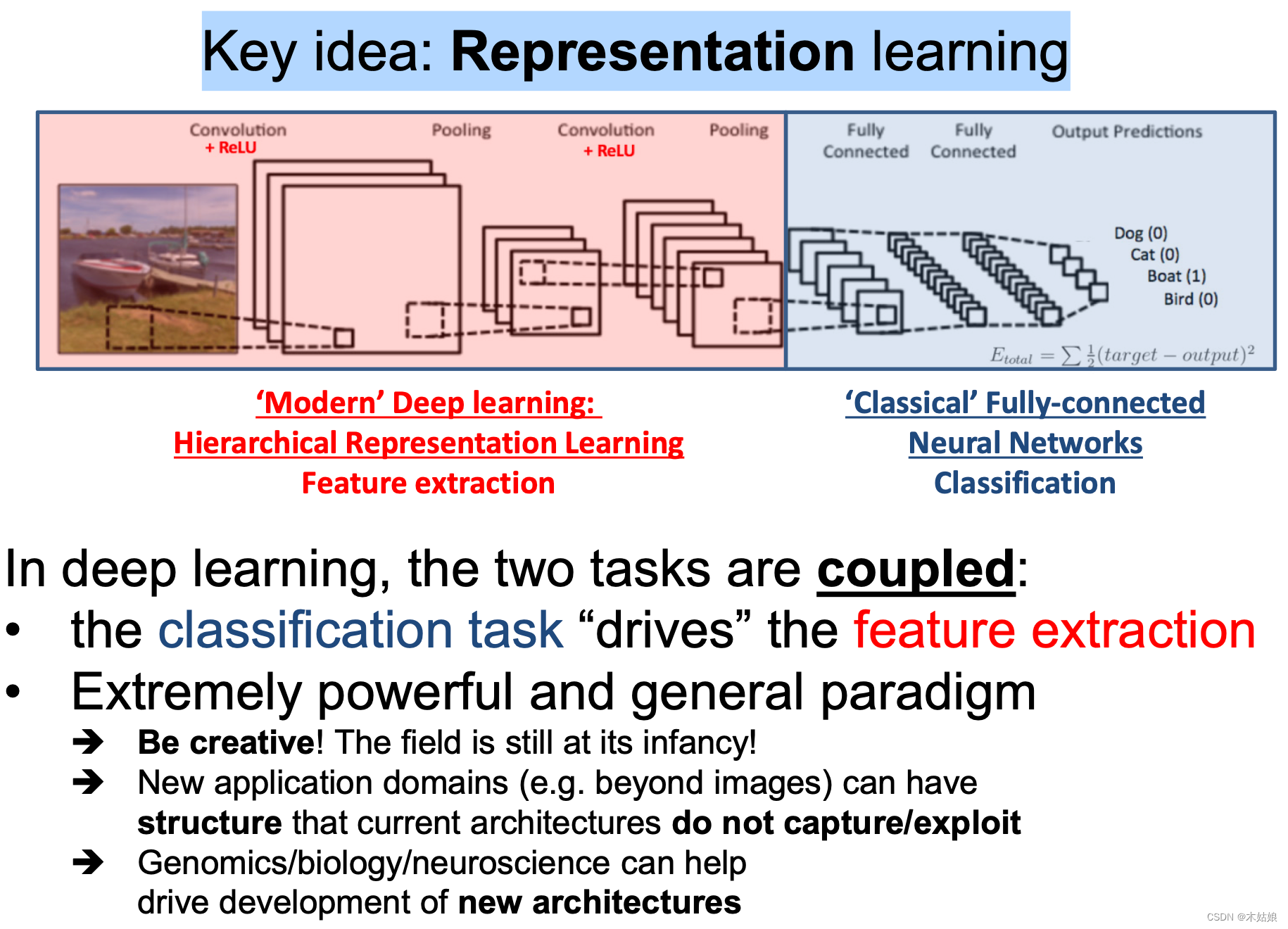
如何使用卷积神经网络翻译像素的概念

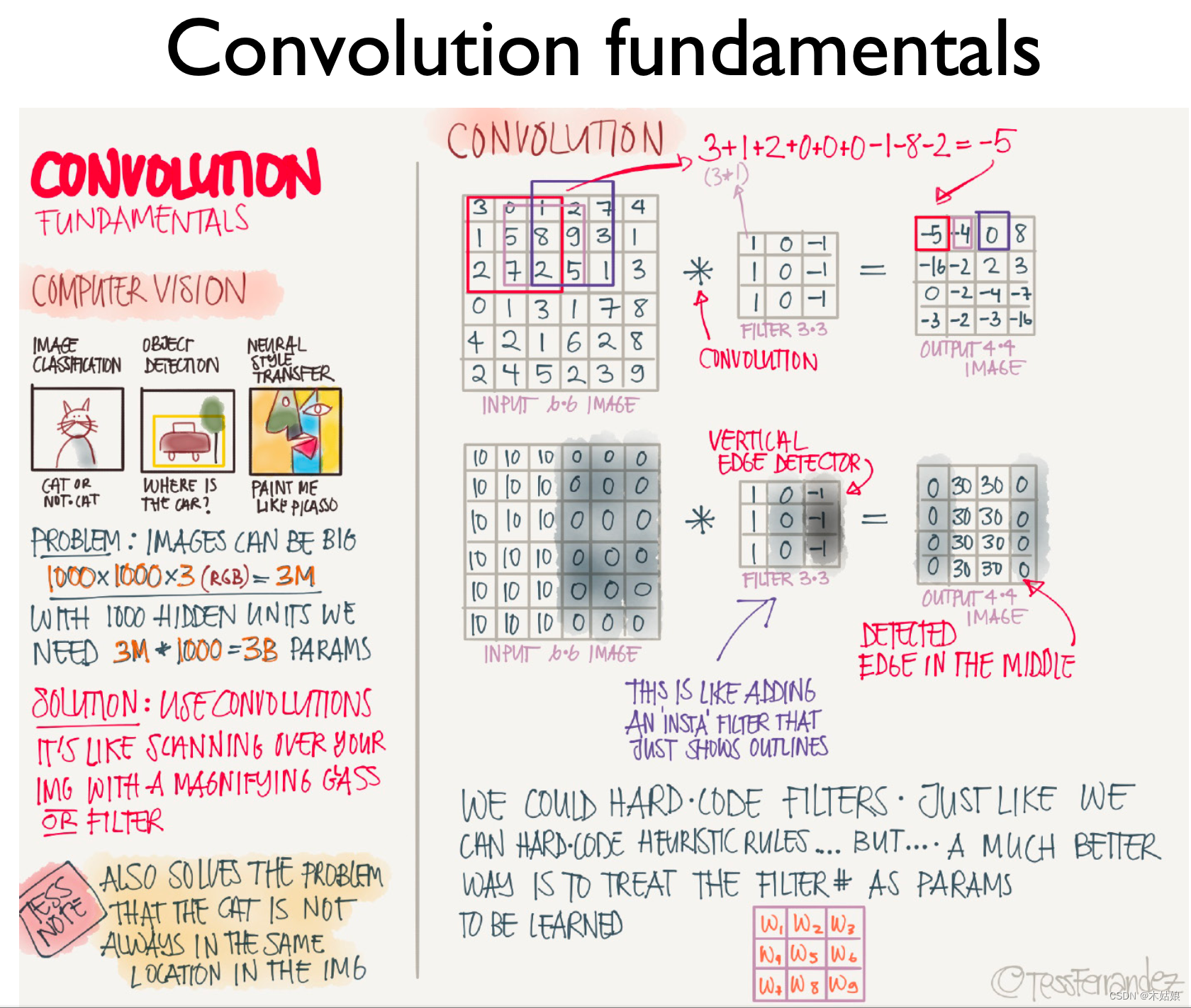
Convolutions:
Spatial structure, local computation, shared parameters
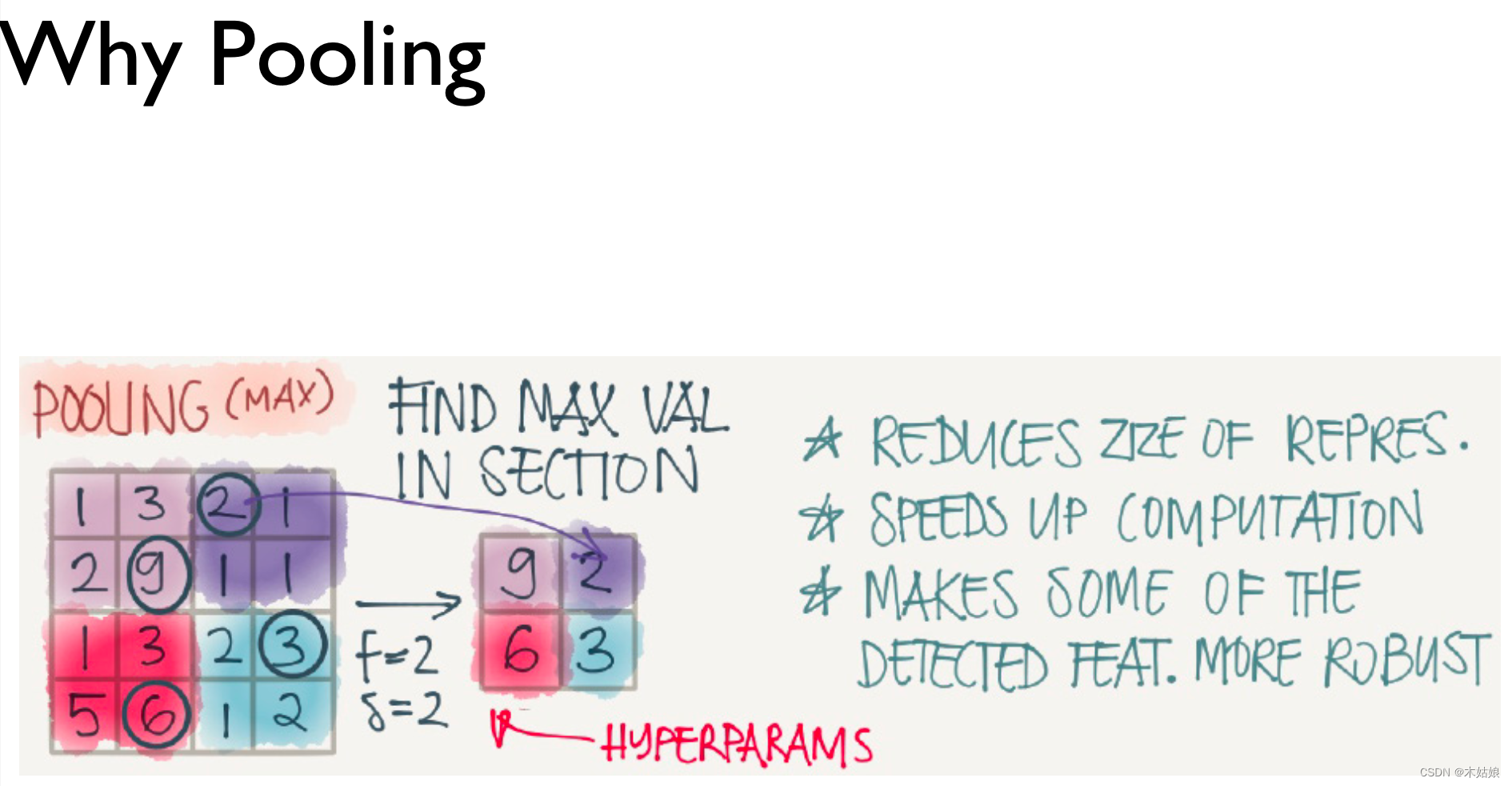
why pooling
一些卷积过程中常见的实际问题汇总
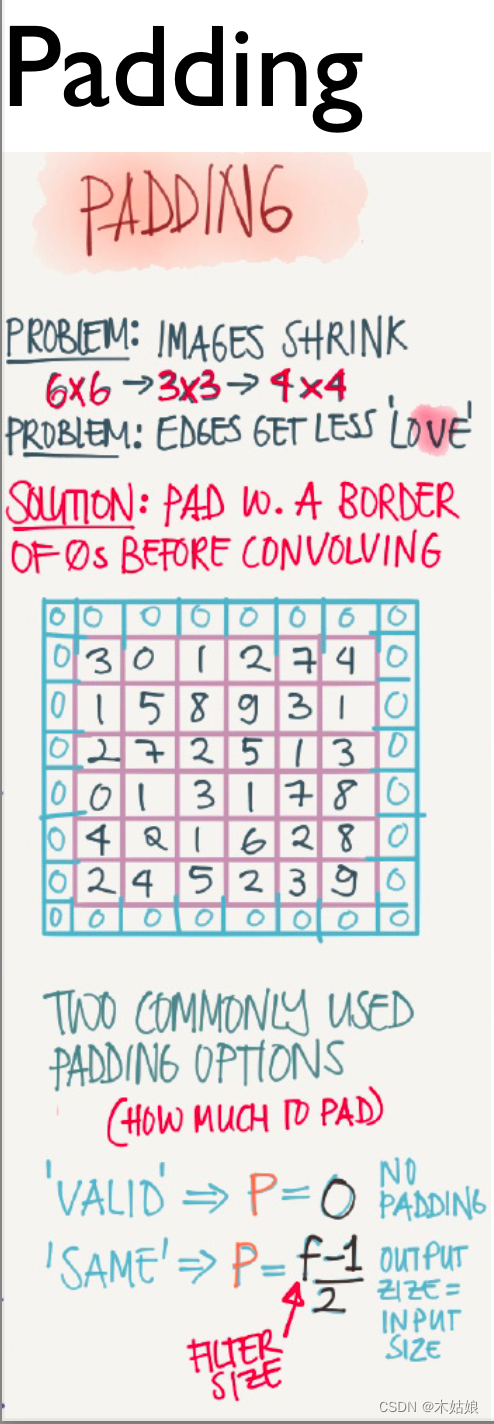
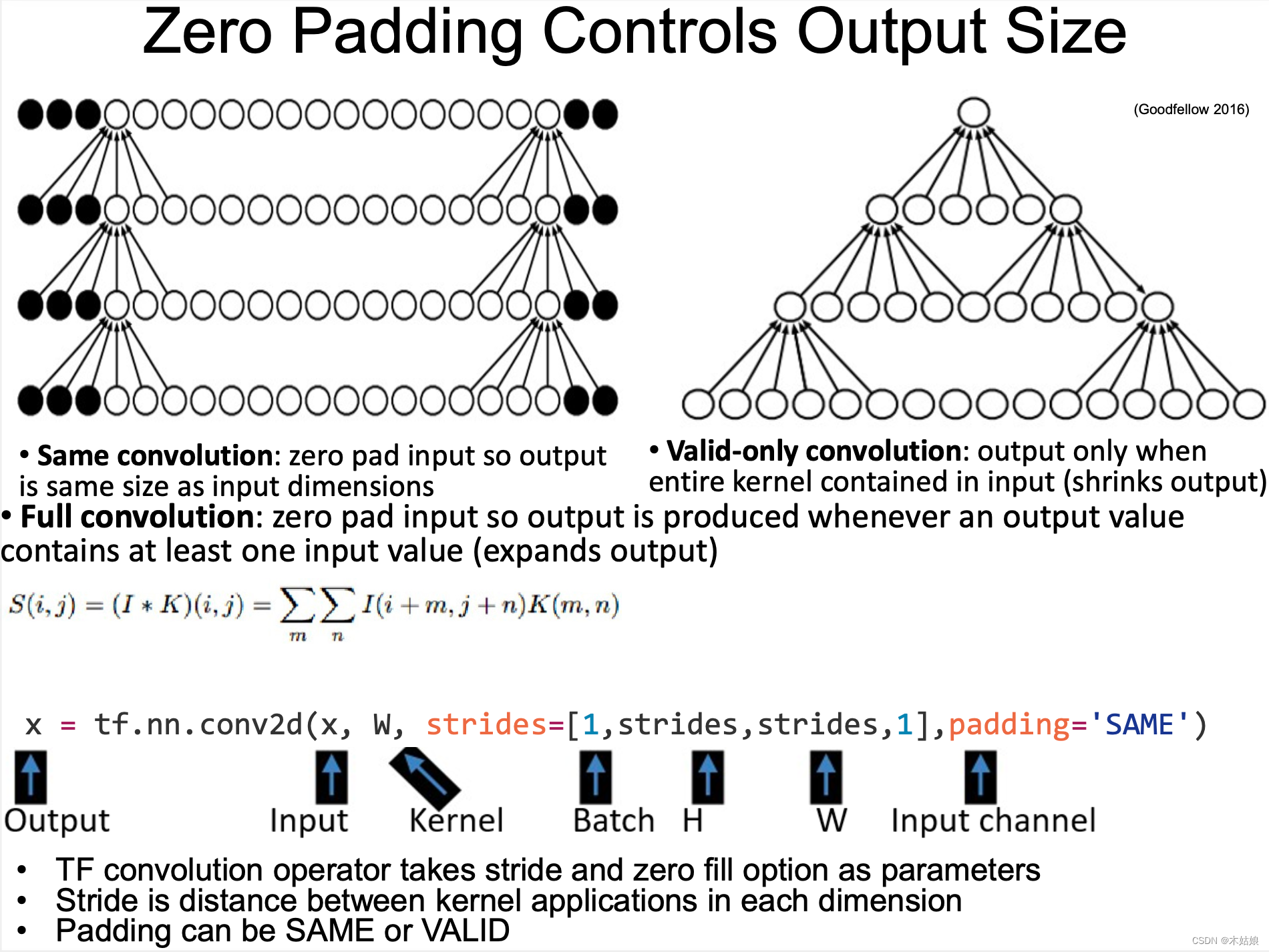
padding
边缘位置像素特征提取会变差,因此需要补零
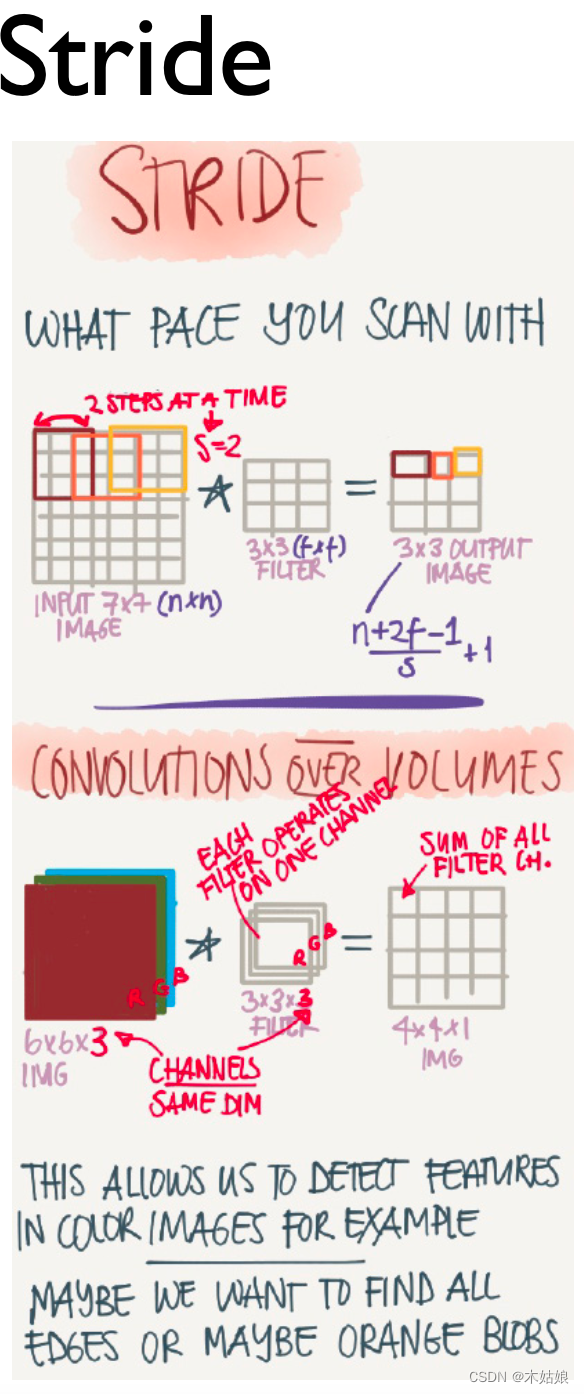
stride
Real-world Feature Invariance: Data augmentation
Image is represented as matrix of pixel values… and computers are literal!
We want to be able to classify an X as an X even if it’s shifted, shrunk, rotated, deformed.
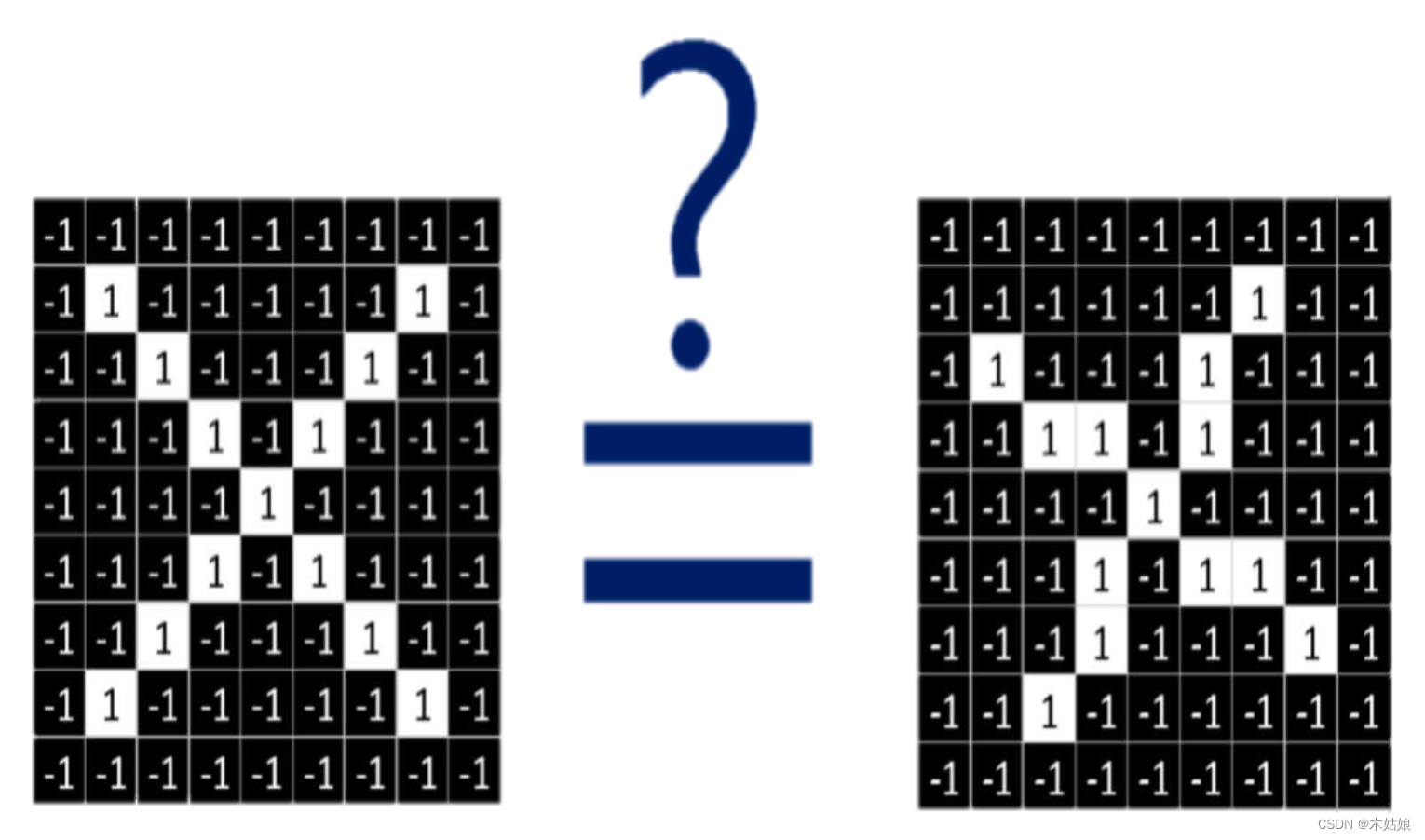
首先可以做的就是数据增强,让计算机见到更多,更全面的场景可能会出现的数据
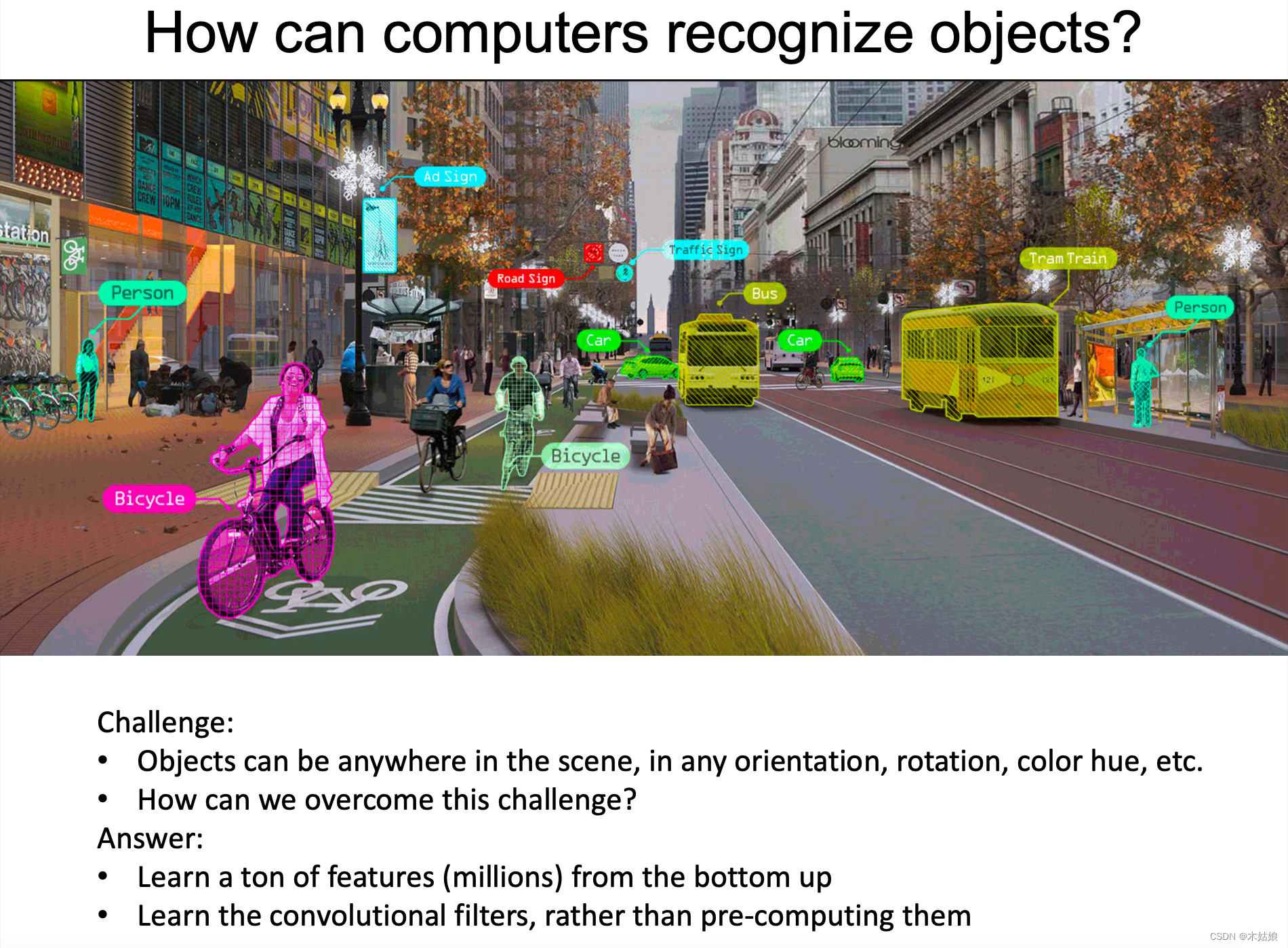
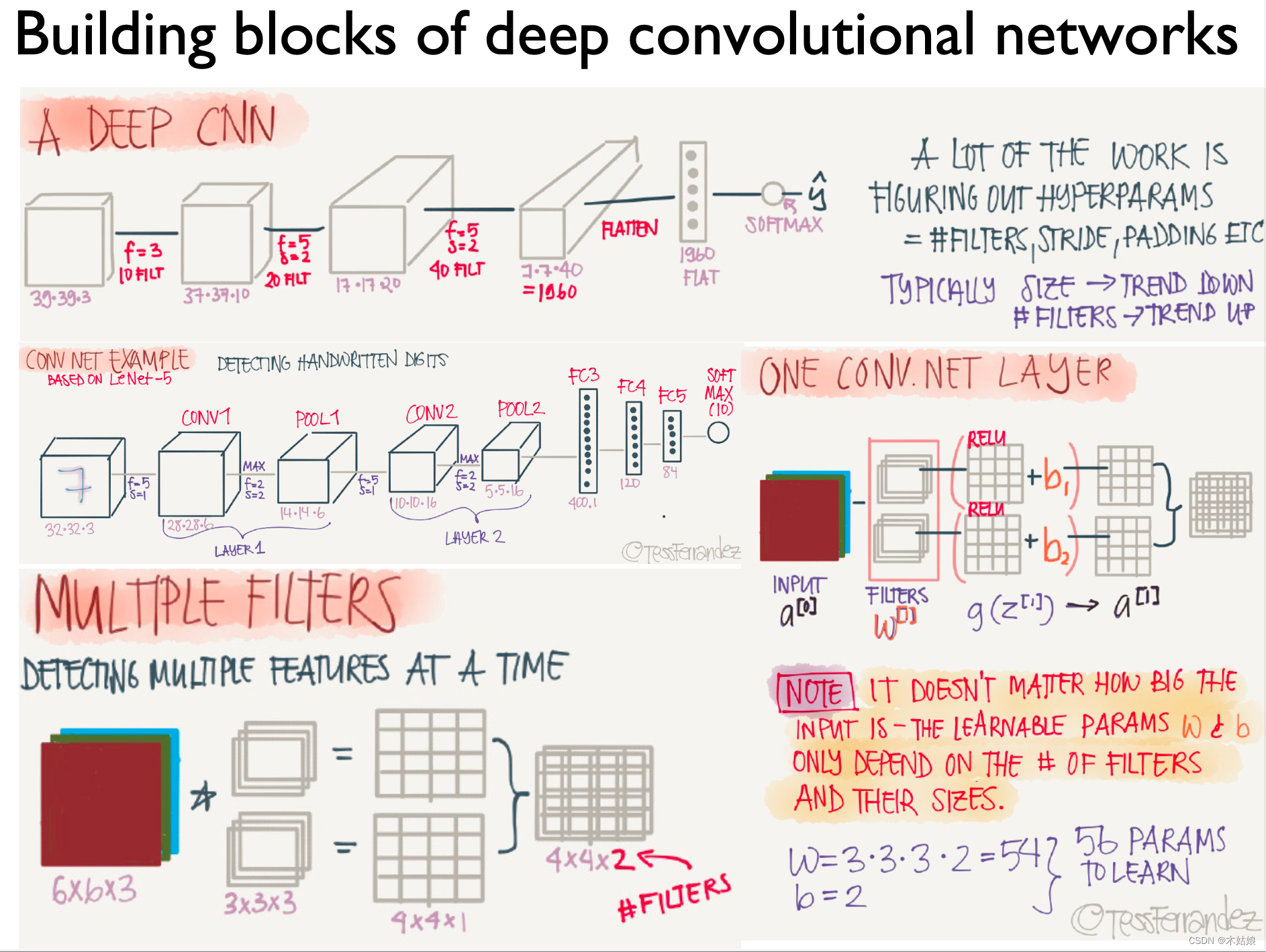
different architectures
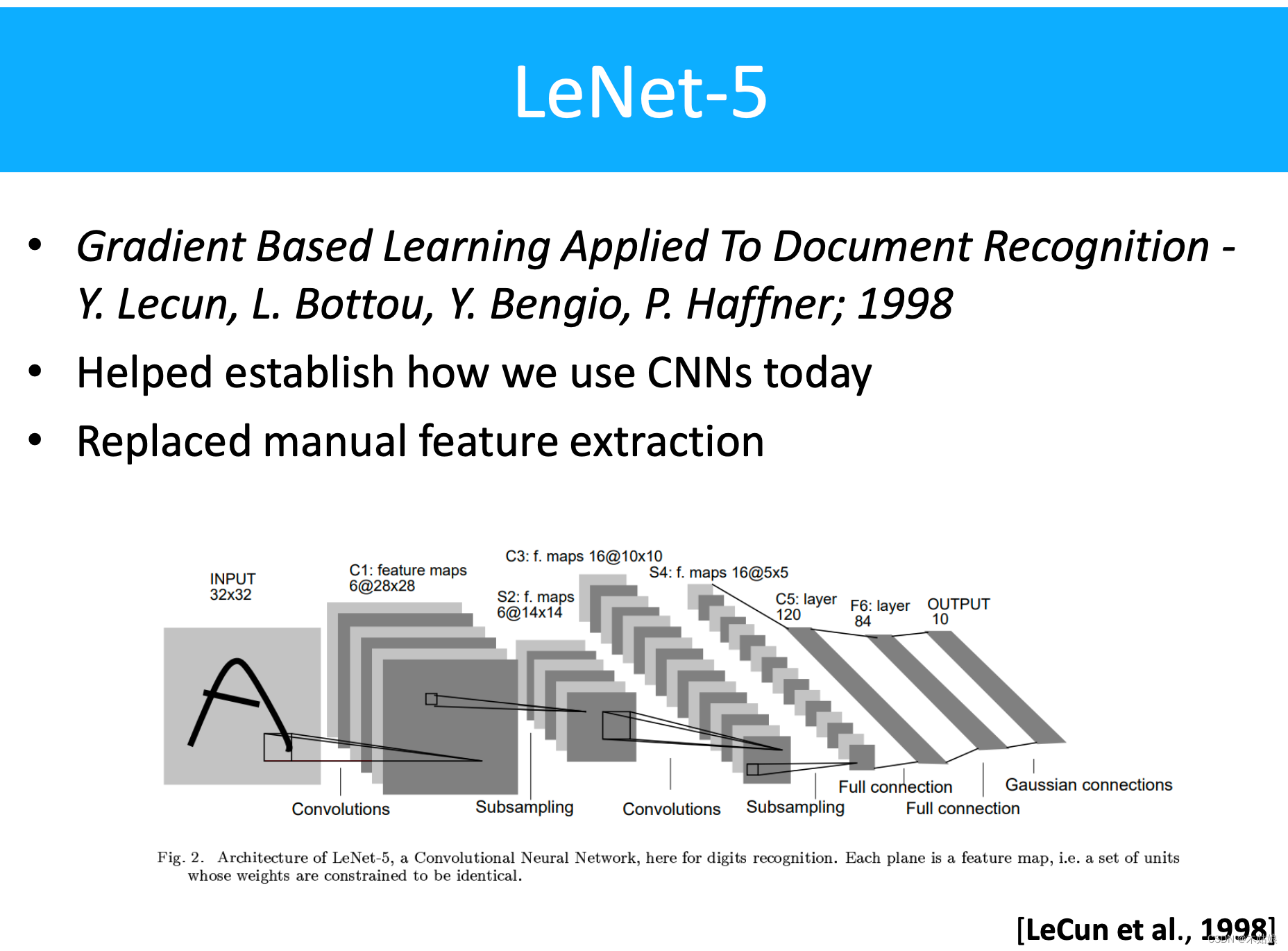
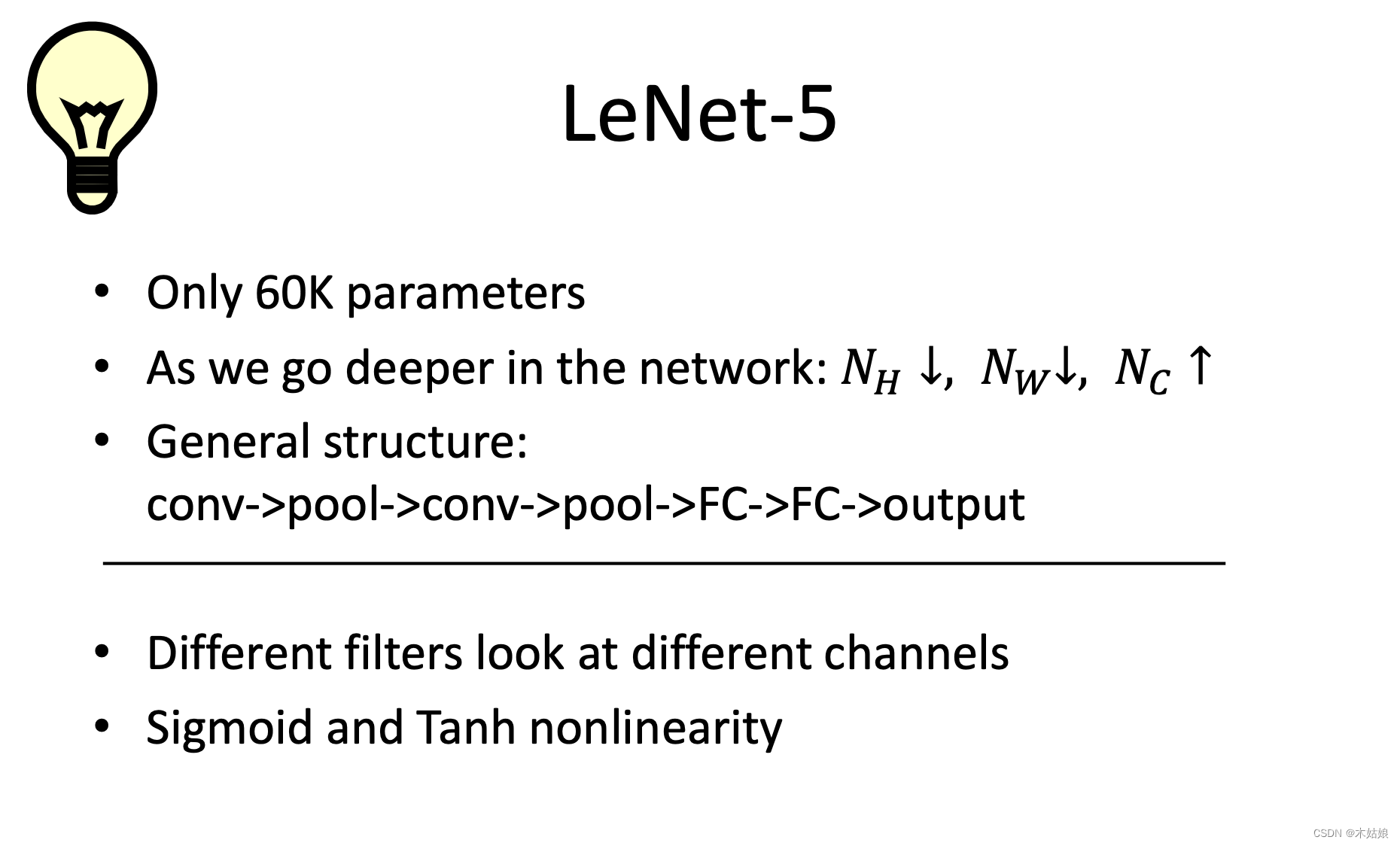
LeNet
5层卷积,帮我们建立了卷积神经网络构建的基本架构
The art of CNN training
需要大量数据

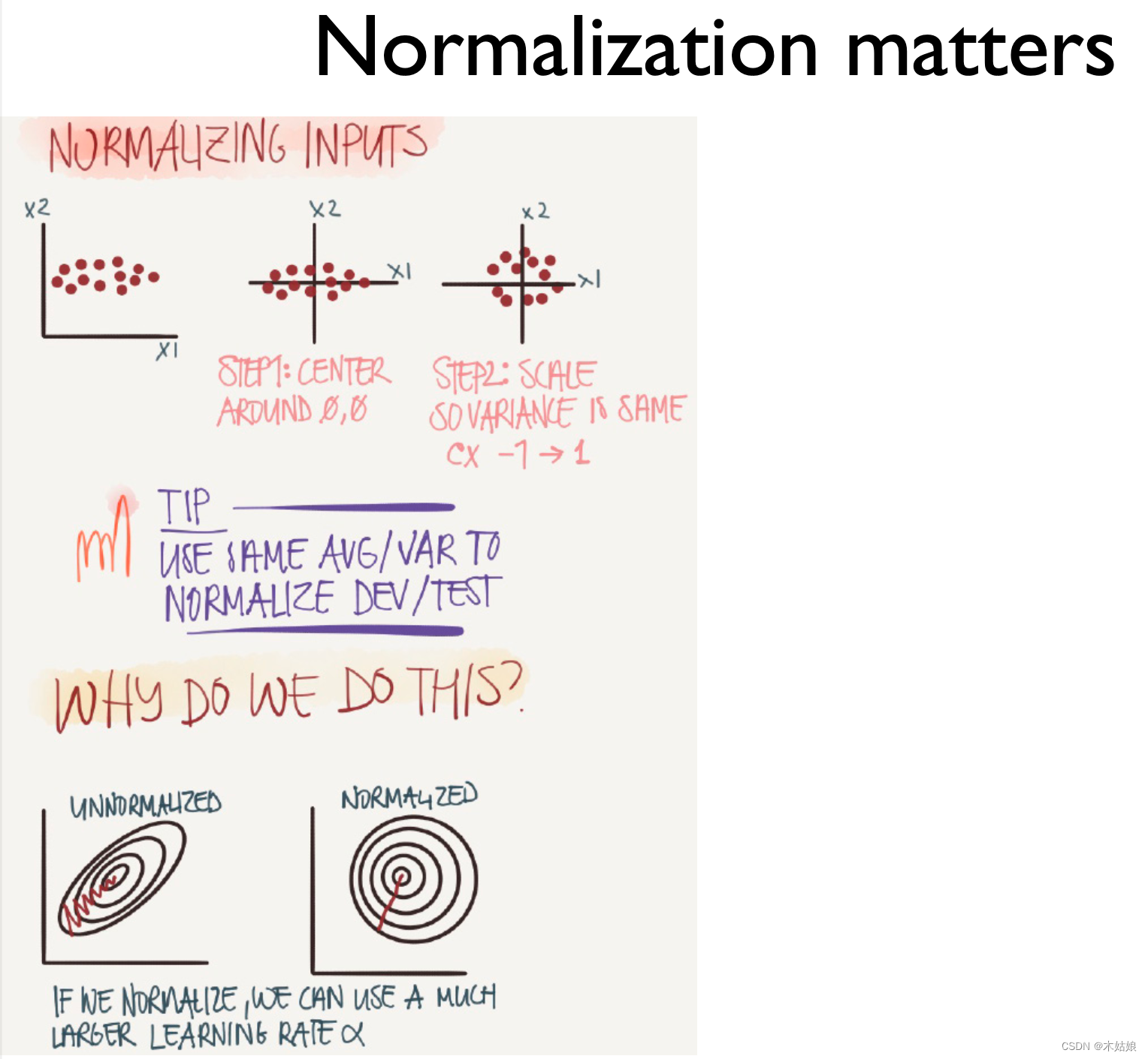
归一化问题
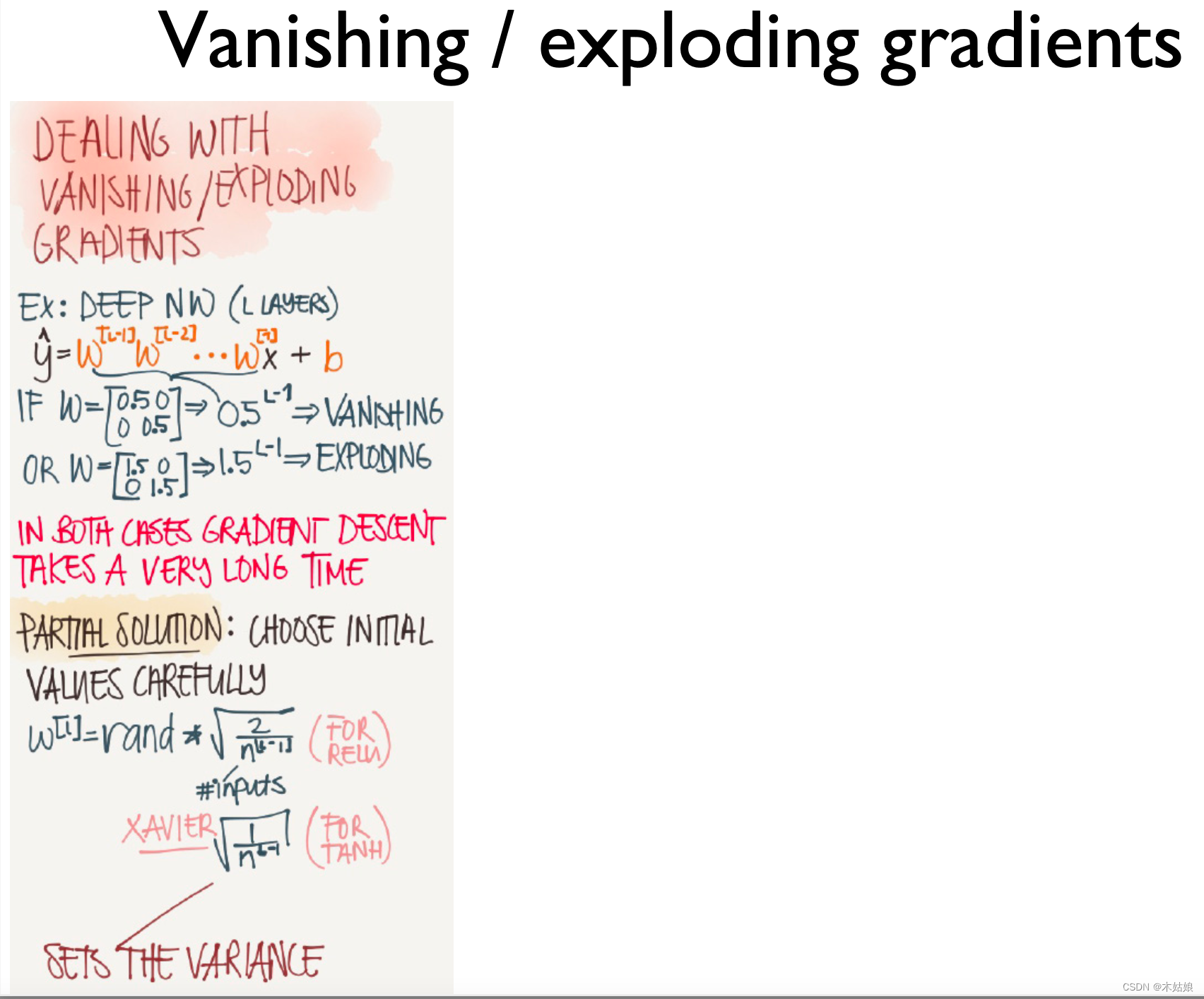
梯度消失/爆炸问题
小批量梯度下降
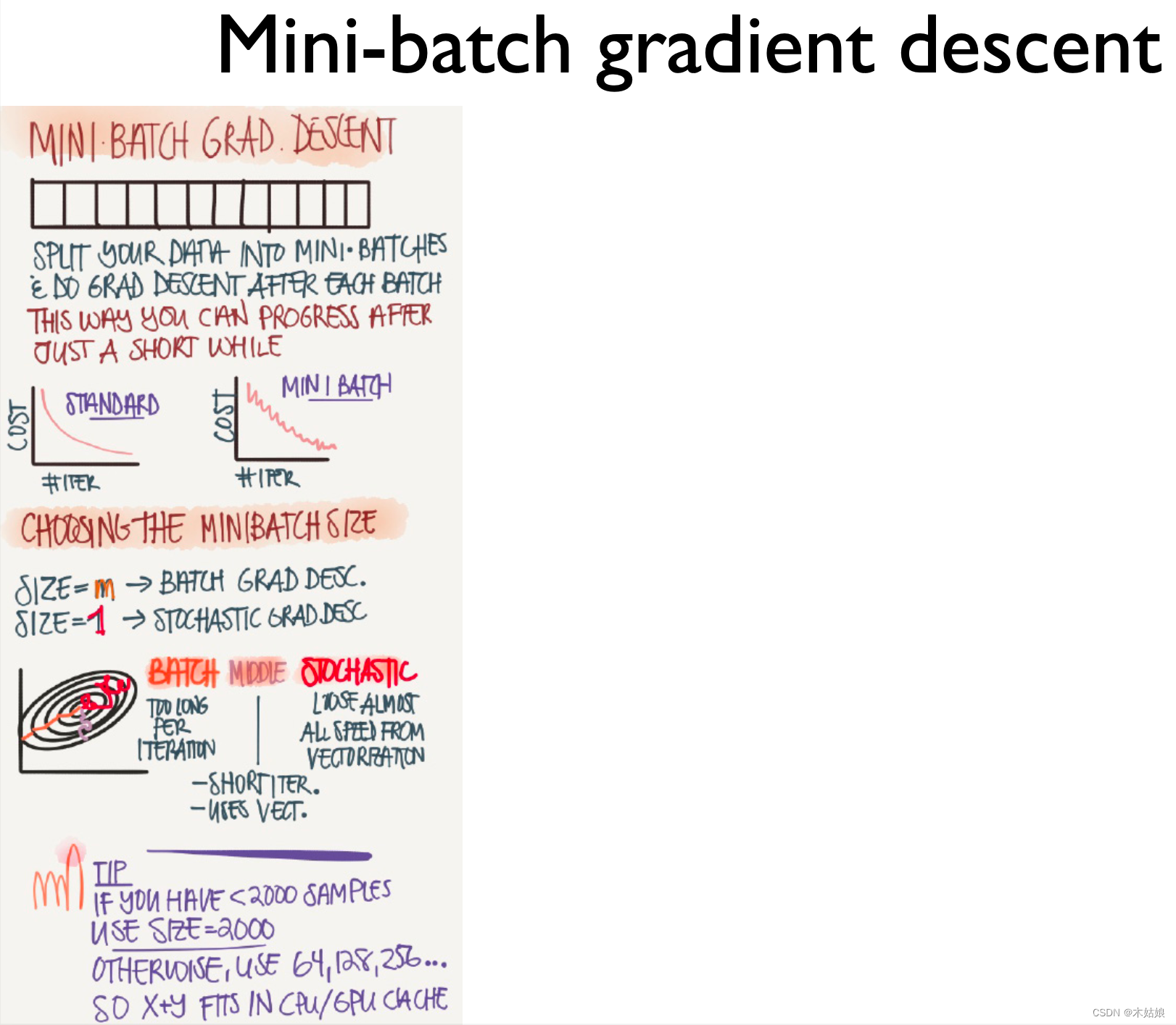
训练中的优化问题
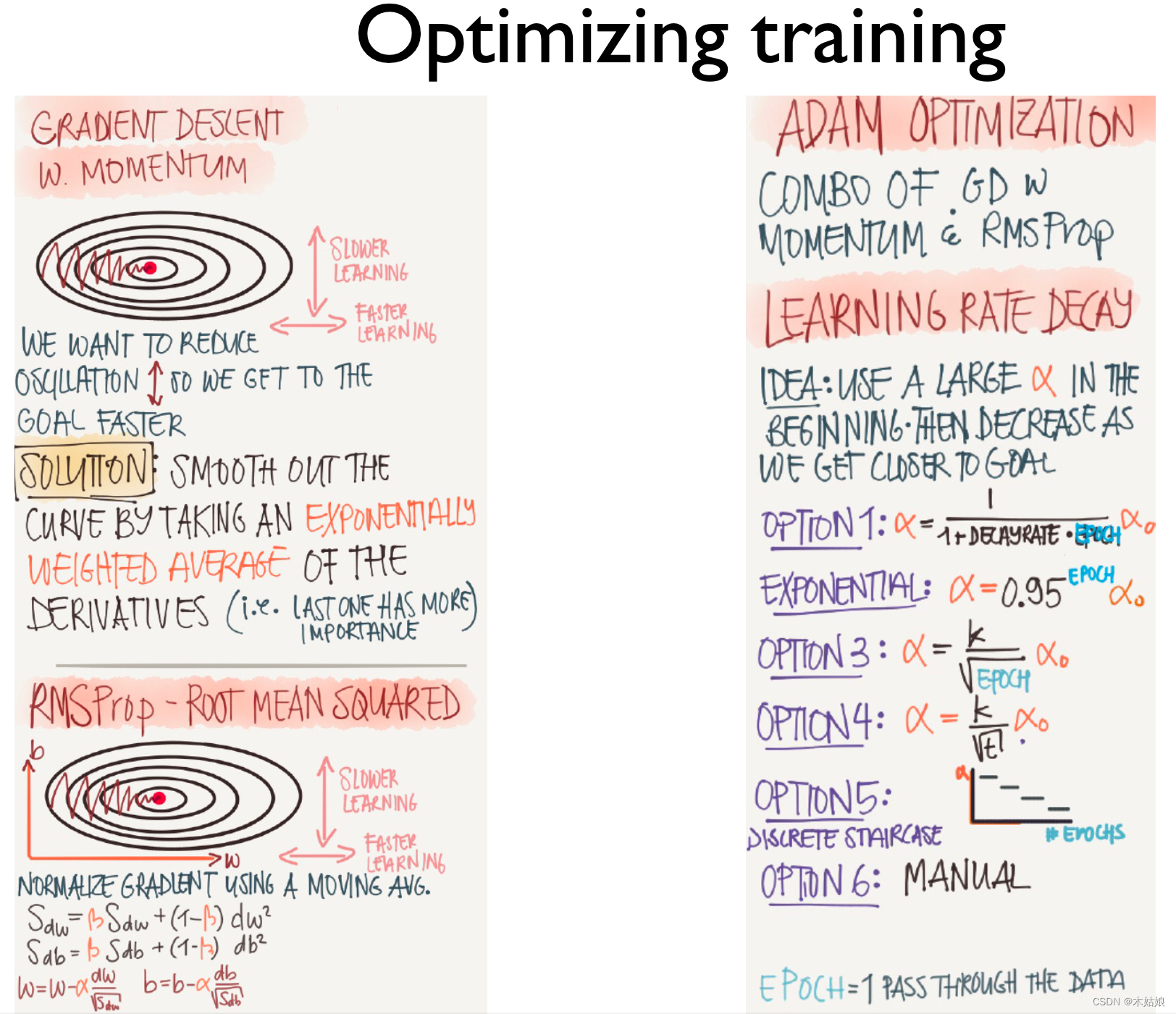
参数tuning
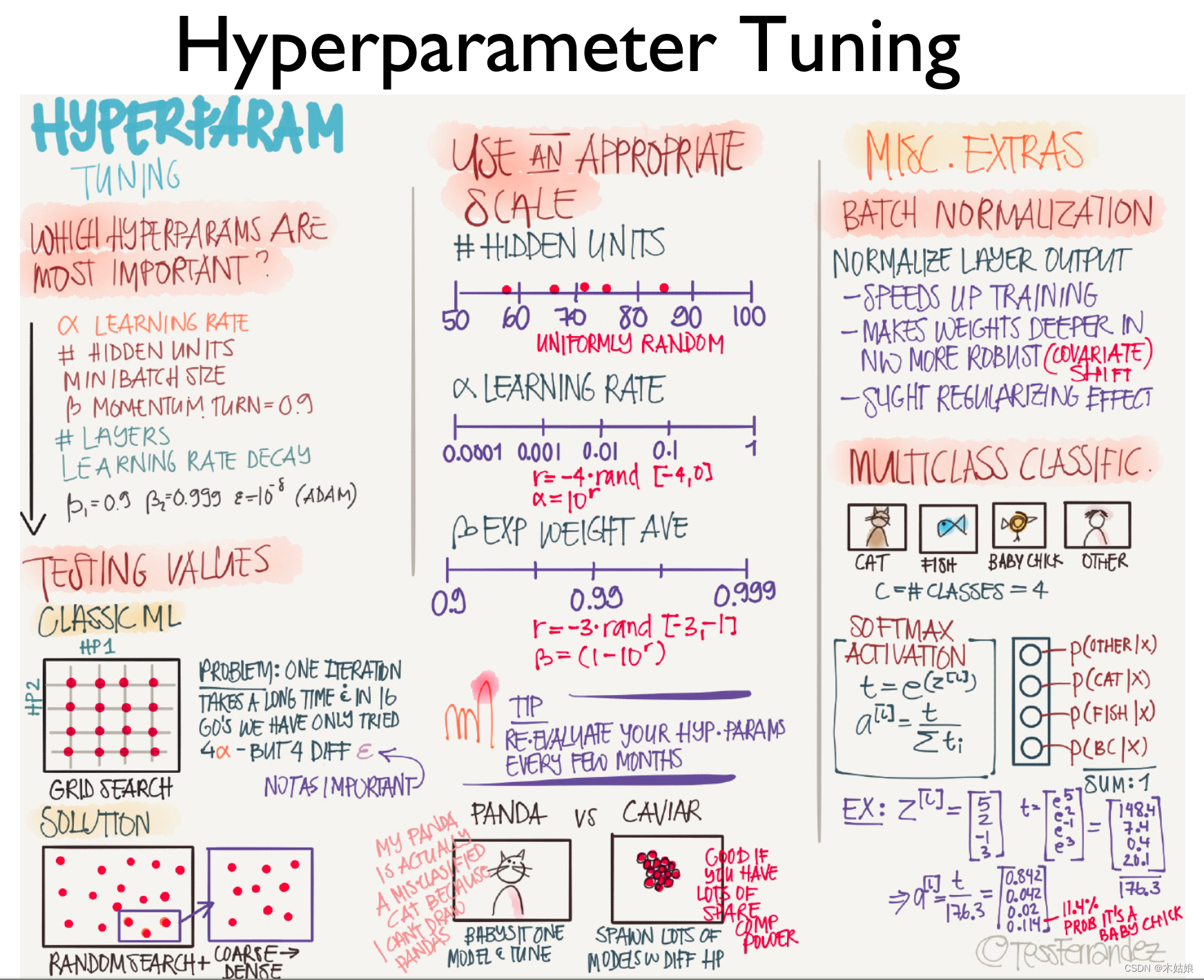
训练/验证/测试集分配
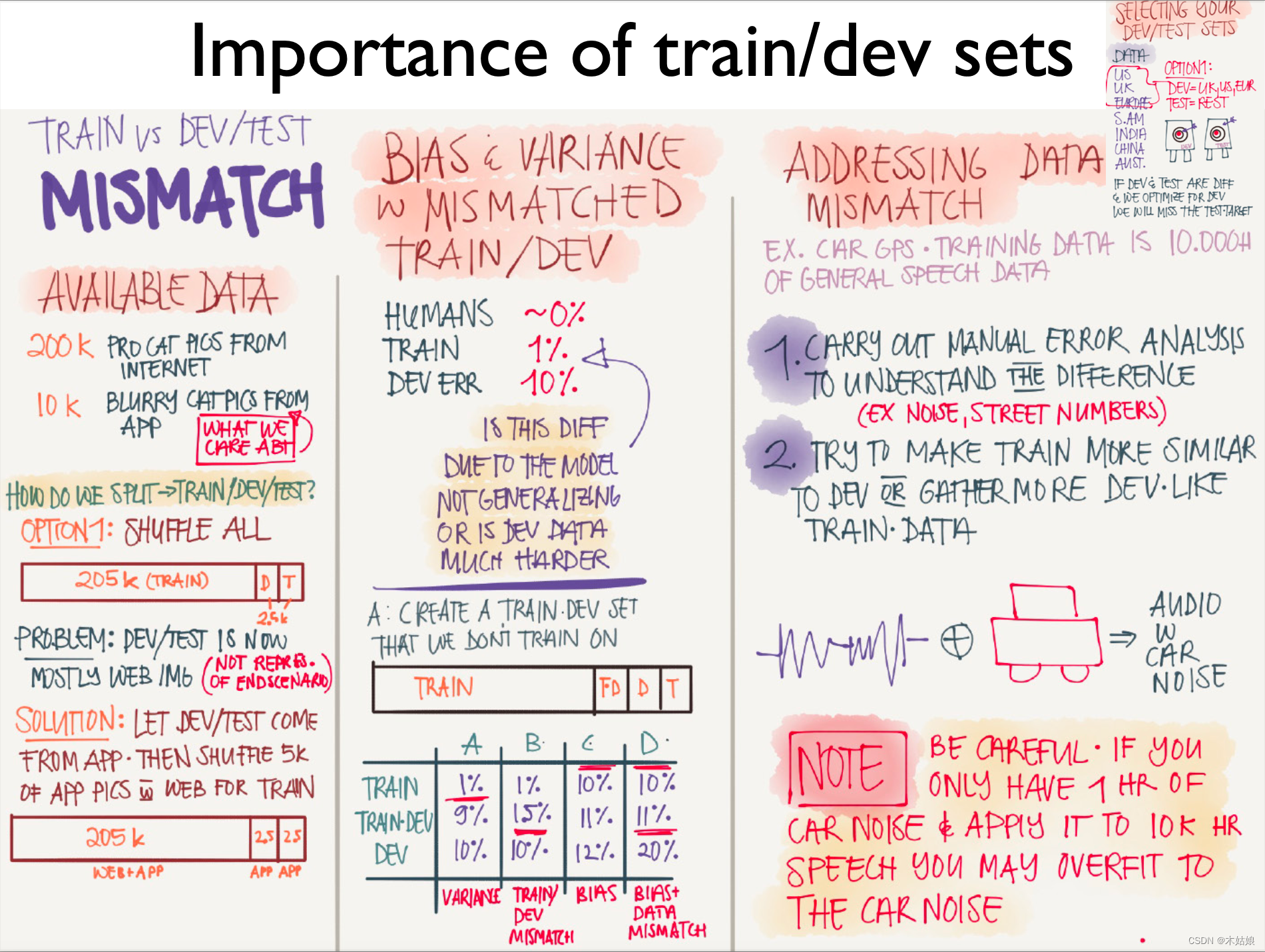
表现评价
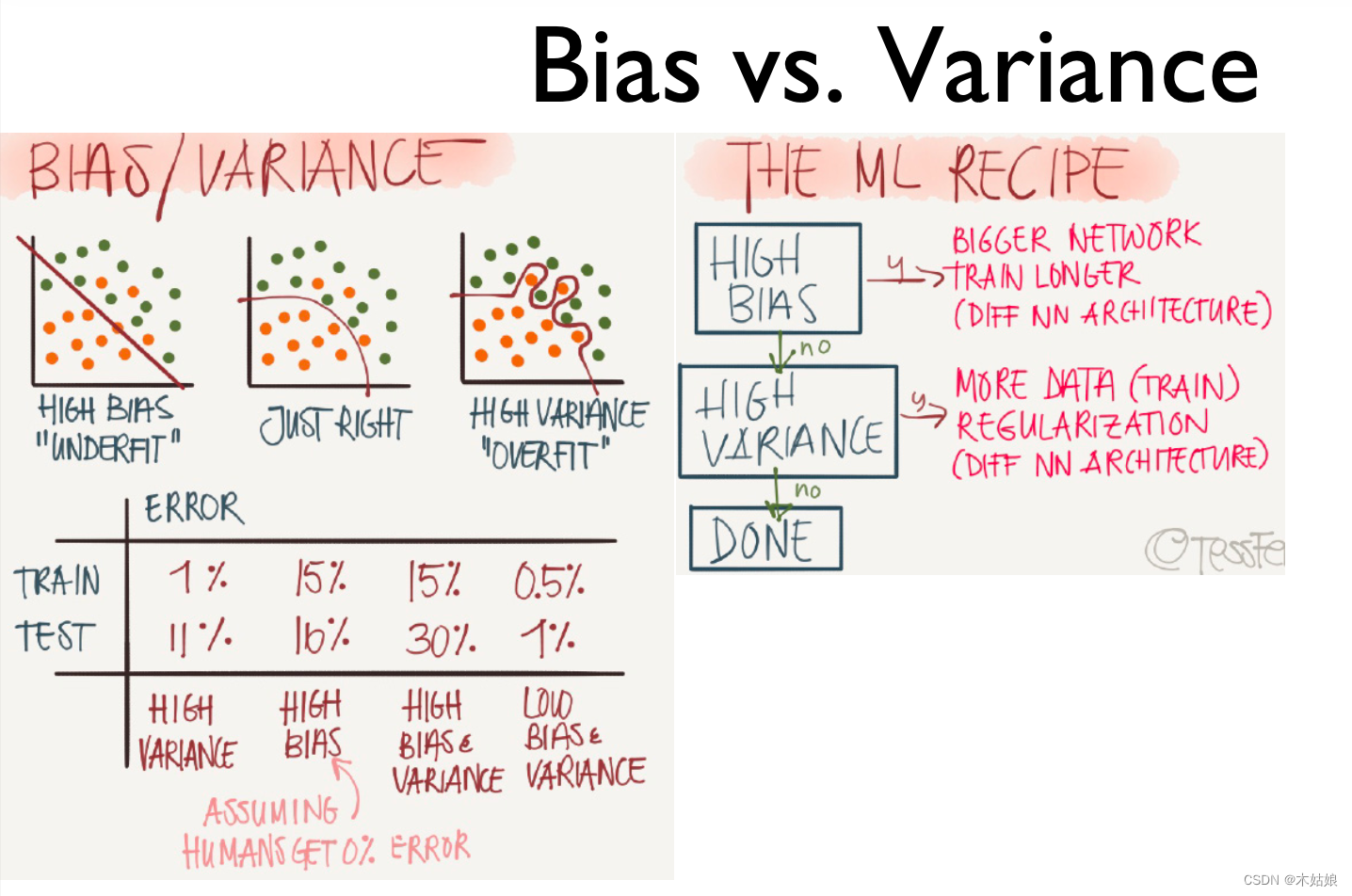
偏差和方差
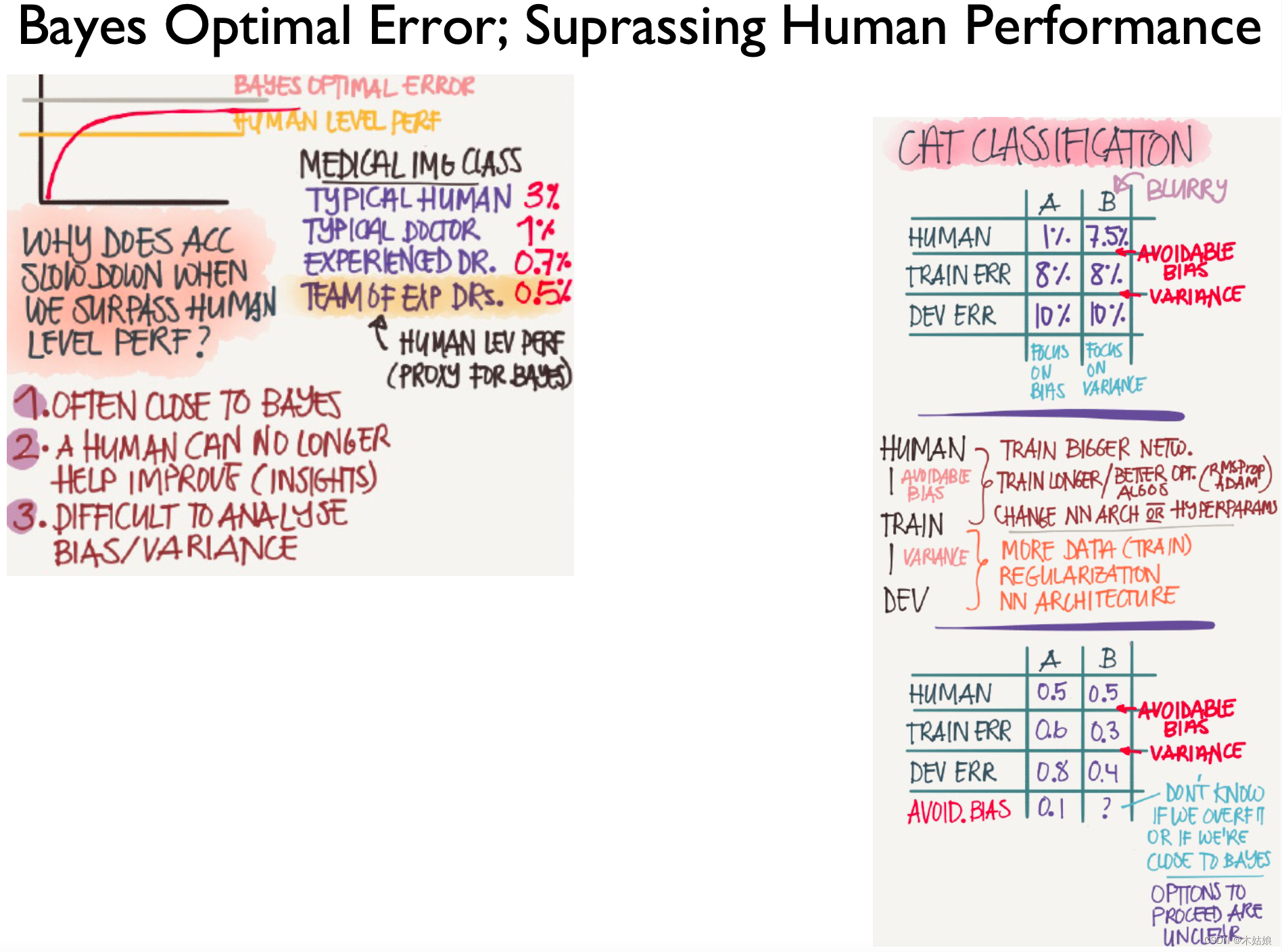
贝叶斯最优误差
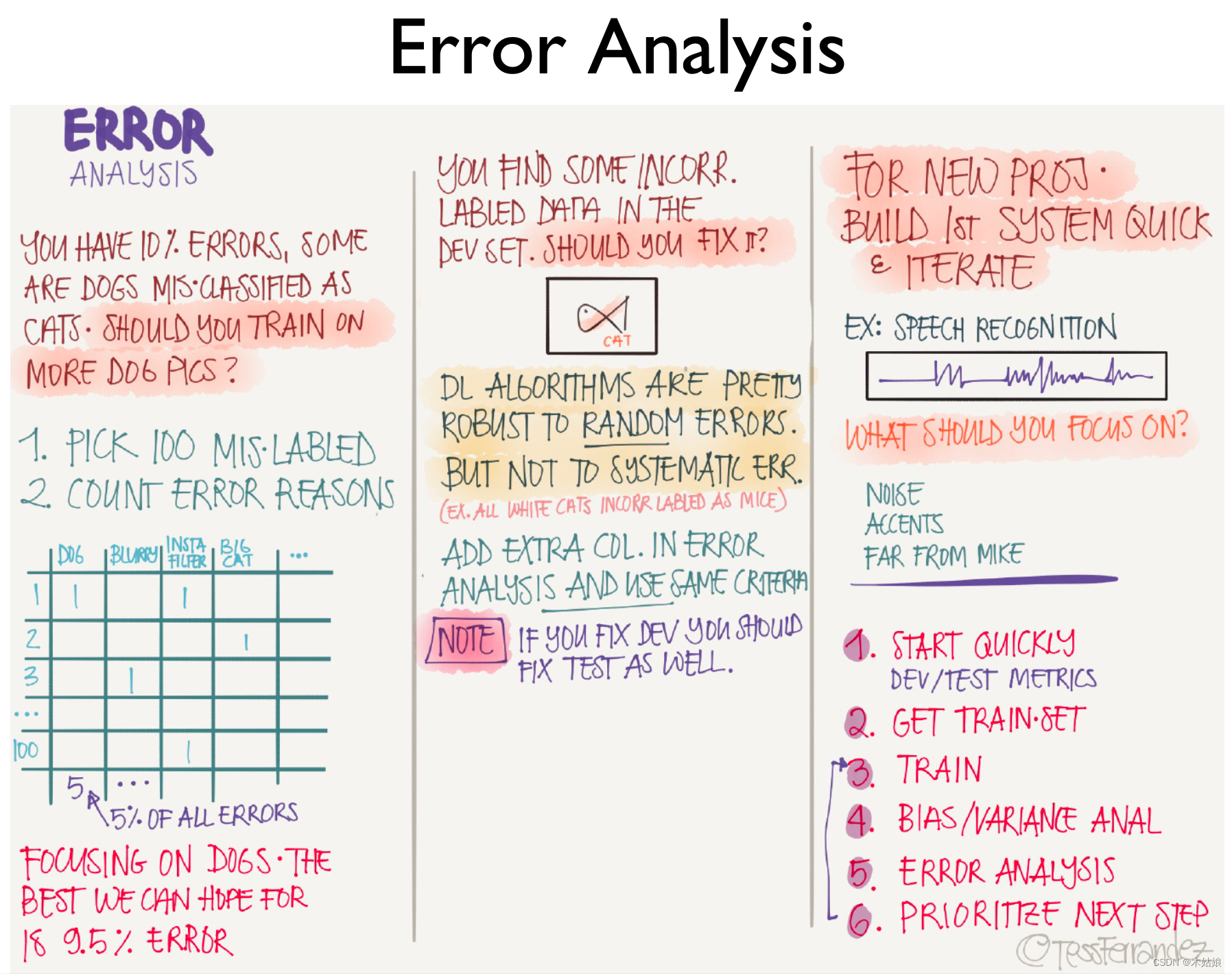
误差分析
本文来自互联网用户投稿,文章观点仅代表作者本人,不代表本站立场,不承担相关法律责任。如若转载,请注明出处。 如若内容造成侵权/违法违规/事实不符,请点击【内容举报】进行投诉反馈!